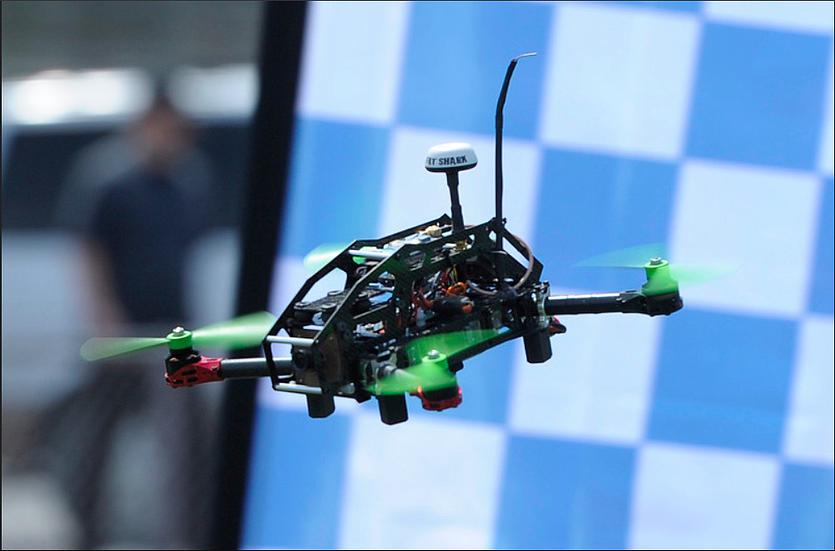
Drone racing represents one of the most accessible pathways into competitive esports and real-world athletics. Unlike traditional racing sports requiring years of foundational experience, FPV drone racing empowers beginners to progress from console simulators to competitive professional status within months through a clearly defined progression pathway. By January 2026, the ecosystem has matured considerably, with standardized training methodologies, affordable entry-level hardware, and established global competition structures that seamlessly bridge virtual and physical racing.
The Three-Phase Progression Model
Successful transition from console to real-world drone racing follows a predictable three-phase model: simulator mastery, equipment acquisition and foundational flying, and competitive integration.
Phase 1: Console/Simulator Mastery (Weeks 1-12)
The foundation of drone racing skill development occurs entirely within simulators at negligible cost. Before purchasing any physical equipment, aspiring pilots should invest 10-50 hours in simulator practice using their chosen platform. The critical advantage of this phase is that modern FPV simulators like Liftoff, VelociDrone, and DRL Simulator employ physics engines so realistic that skills transfer nearly 1:1 to physical aircraft. As DRL’s Director of Product stated, “If you play Grand Theft Auto or Forza, you can’t really get from that game into a Formula One car and drive it proficiently. [With DRL Simulator] this is actually the thing where, because it uses two sticks, you can come from this and fly an actual racing drone.”
To maximize simulator effectiveness, beginners should:
- Acquire a compatible radio controller immediately ($80-300). The same controller used in simulation transfers directly to real drones, eliminating the need to relearn muscle memory patterns. Popular beginner-friendly options include the Radiomaster TX16S, TBS Tango 2, and budget alternatives starting at $80.
- Select one primary simulator and commit to it. VelociDrone excels for competitive racing with hyper-realistic physics; Liftoff balances accessibility with depth for freestyle and racing; DRL Simulator combines structured training with esports pathways.
- Dedicate 2-3 hours daily for 4-8 weeks. Research indicates most beginners require 25-40 hours before feeling confident, with some reaching 50+ hours before attempting real flight.
- Progress through structured skill sequences: Weeks 1-2 focus on throttle control and basic hovering; weeks 3-4 introduce rolls, flips, and yaw turns; weeks 5-6 advance to freestyle patterns and racing lines.
- Maximize simulator features: Increase graphics fisheye distortion to maximum and field-of-view to 120 degrees to match real FPV goggles’ perspective.
The simulator phase culminates naturally when pilots transition from thinking about individual control inputs to executing smooth racing lines instinctively. At this inflection point—typically 30-50 simulator hours—pilots are ready for physical equipment.
Phase 2: Entry Equipment and Physical Flight Fundamentals (Weeks 13-20)
Equipment acquisition decisions fundamentally determine learning trajectory. The market offers three pathways: premium ready-to-fly kits, beginner-specific RTF bundles, and DIY kits for hands-on learners.
Ready-to-Fly (RTF) Kits ($150-350)
For absolute beginners prioritizing immediate flying over customization, RTF kits include pre-assembled drones, FPV goggles, radio controllers, batteries, and chargers. Top-tier beginner options in 2026 include:
| Kit Name | Price | Key Features | Best For |
|---|---|---|---|
| BetaFPV Cetus X | $159 | Micro whoop, stable, durable, analog FPV | True beginners, indoor flying |
| EMax Tiny Hawk III | $239 | Brushless micro, pre-tuned, reliable | Budget-conscious learners |
| HGLRC Draknight 2″ | $199 | Compact, 2S batteries, good durability | Small space practitioners |
| EMAX EZ Pilot Pro | $239 | Beginner-optimized, intuitive setup | Fast progression |
| DJI Avata 2 | $999-1,199 | Digital FPV, autonomous safety features, professional-grade | Those prioritizing safety and footage quality |
Critical advantage of RTF kits: All components work together seamlessly without soldering, compatibility research, or configuration complexity. Beginners experience immediate flight gratification rather than multi-week setup phases.
Premium Option: DJI Avata Series
For pilots with higher budgets or prioritizing safety, the DJI Avata 2 ($999 Fly More Combo) represents the most beginner-friendly professional-grade option. Key differentiators include intuitive motion controller operation, automatic return-to-home, obstacle avoidance, and “Turtle Mode” (self-righting if crashed upside-down). The Motion Controller enables absolute beginners to fly safely using hand movements rather than complex stick inputs. Once comfortable, pilots transition to traditional dual-stick controllers for full manual control.
Equipment Learning Sequence
Physical flight mastery requires progressive environmental complexity:
- Visual Line-of-Sight (VLOS) Flying: Before donning FPV goggles, beginners practice 3-5 flights maintaining visual contact with the drone in LEVEL mode (autopilot-assisted). This develops fundamental motor control and orientation awareness without the disorientation VFV goggles initially cause.
- Open Grass Area Flights: Select soft landing surfaces (parks, fields) to minimize damage from the inevitable crashes. Early crashes predominantly occur during landing, throttle management, and directional confusion. Grass mitigates structural damage.
- Acro Mode Introduction: Once confident maintaining hover and basic directional control in LEVEL mode, gradually introduce ACRO (manual) mode, where the drone requires active stabilization from pilot inputs. This mode is essential for racing but demands significantly higher skill.
- FPV Goggle Integration: Only after 5-10 successful VLOS flights should pilots don FPV goggles. Initial goggle flights commonly induce mild disorientation as pilots’ brains adapt to first-person perspective. Limiting initial goggle flights to 5-10 minutes mitigates vertigo while building spatial orientation.
Realistic Timeline Expectations
Progression velocity varies dramatically by individual:
- Video game experience: Players with strong controller familiarity may feel confident after 15-20 simulator hours and 3-5 real flights
- Average learners: Typically require 30-40 simulator hours plus 2-4 weeks of progressive real-world flights
- Conservative learners: May take 50+ simulator hours and 6-8 weeks before attempting advanced maneuvers
- Competitive readiness: 100+ total hours (simulator + real) over 3-4 months before entering local races
Phase 3: Competitive Integration and Skill Refinement (Months 4+)
Once foundational flying competency is achieved, progression into organized competition creates accountability and accelerated skill development.
Understanding Racing Leagues and Structure
The global drone racing ecosystem comprises two complementary parallel pathways: esports-based simulation competition (DRL) and physical racing leagues (MultiGP).
DRL SIM Esports Pipeline
The Drone Racing League operates an official esports simulator available on PlayStation, Xbox, Steam, and Epic Games. The platform’s strategic genius involves creating a genuine career pathway: exceptional simulator pilots can qualify for DRL Tryouts, with winners receiving professional contracts and international competition opportunities. This structure eliminates the traditional barrier requiring expensive hardware ownership before competitive participation.
DRL SIM progression operates as follows:
- Download DRL Simulator ($10-20 initially)
- Compete in online time trials against global leaderboards
- Rank sufficiently high to qualify for official DRL Tryouts
- Win tryouts → receive professional pilot contracts ($25,000-$75,000+ annually)
- Compete internationally against other professional DRL pilots
This esports pipeline particularly benefits geographically isolated pilots without access to local racing communities.
MultiGP Local Racing Chapters
MultiGP represents the grassroots alternative, organizing 16,000+ sanctioned races annually across 385+ chapters in 170+ countries. Unlike DRL’s standardized equipment approach, MultiGP emphasizes community-driven competition where pilots fly custom-built drones within class specifications.
Key features of MultiGP structure:
| Element | Details |
|---|---|
| Local Chapters | Free membership; chapters organize weekly/monthly races |
| Universal Time Trials | Standardized courses enabling global leaderboard competition |
| Championship Path | Pre-Qualifiers (local) → Global Qualifiers → National Championship |
| Classes | Pro (top 150 pilots), Sportsman (151-300), various size/power categories |
| Membership Cost | FREE for local chapter participation |
Finding Your Local Community
Discovering established racing communities requires minimal effort: search MultiGP’s chapter directory by location, visit local hobby shops (which often host races), or search Facebook groups using “[City Name] FPV” queries. Most thriving communities welcome newcomers and actively mentor progression.
Comprehensive Equipment & Cost Framework
Understanding the full investment scope enables informed decision-making aligned with commitment level.
Complete Entry Budget Scenarios
| Scenario | Total Cost | Equipment Profile | Timeline |
|---|---|---|---|
| Absolute Minimum | $50-100 | Simulator + free software (PC already owned) | No hardware investment |
| Simulator + RTF Kit | $250-350 | Radio ($80) + Beginner RTF kit ($150-239) | Months 1-3: sim; Months 4+: real |
| Hobbyist Starter | $400-600 | Radio ($150) + 5″ freestyle RTF or DIY build | Progressive learning, room for upgrades |
| Intermediate Committed | $800-1,200 | Quality radio ($250), digital FPV system, spare drones | Competitive-ready hardware |
| Premium Hassle-Free | $1,000-1,500 | DJI Avata 2 system + extras | Immediate professional-grade experience |
Component Costs Breakdown
| Component | Budget Range | Notes |
|---|---|---|
| Radio Controller | $80-300 | Reusable across multiple drones; critical investment |
| Beginner RTF Drone | $150-350 | Includes goggles, batteries, charger |
| DIY 5″ Drone Build | $300-600 | Requires soldering, component compatibility knowledge |
| FPV Goggles (Analog) | $100-300 | Budget option; many RTF kits include goggles |
| FPV Goggles (Digital HD) | $400-800 | DJI, Walksnail; superior image quality, higher cost |
| Batteries (4-pack LiPo) | $60-150 | Essential for extended practice sessions |
| Battery Charger | $50-200 | Multi-channel chargers enable rapid turnaround |
| Tools & Spares | $100-200 | Soldering iron, hex tools, propellers, motors |
The strategic approach for budget-conscious beginners involves starting minimal ($80 radio + free simulator), then acquiring a used beginner RTF kit ($200-300) once committed to real flying. This phased approach reduces wasted investment if the hobby doesn’t resonate.
Regulatory and Safety Essentials
Before flying any drone, pilots must understand basic legal frameworks.
FAA Registration Requirements (United States)
- Sub-250g drones: No FAA registration required for recreational flying
- 250g+ drones: $5 registration on FAA DroneZone; most FPV racing drones exceed this threshold
- Recreational flying: Take free TRUST test, maintain visual line of sight (initially), avoid restricted airspace
- Commercial/esports participation: Part 107 Remote Pilot Certificate ($175 exam fee) required if receiving payment
Safety Practices
- Maintain visual line of sight during initial flights
- Avoid flying near people, manned aircraft, or airports
- Respect local no-fly zones (use AirMap or similar tools)
- Practice in open areas; crashes are inevitable
- Wear safety glasses to protect eyes from propellers
- Store LiPo batteries in fire-safe containers
- Never fly tired or impaired
Training Progression Methodology
Competitive pilots employ structured drill-based training rather than undirected practice.
The “Slow is Smooth; Smooth is Fast” Principle
MultiGP champions emphasize deliberate skill development: rushing speed development produces sloppy gate hits and crashes. The progression sequence involves:
- Gate negotiation at low speed: Focus entirely on smooth, controlled passes through gates at throttle settings requiring no heroic inputs
- Line consistency: Complete multiple passes through identical courses until paths become automatic
- Speed increment: Once demonstrating consistent smooth lines, incrementally increase throttle responsiveness and aggressiveness
- Competitive pressure: Finally introduce racing scenarios with time pressure and competitors
Progressive Maneuver Drills
Effective training involves isolating specific skills through repetitive drills:
| Drill Type | Focus | Progression |
|---|---|---|
| Straight-line acceleration | Throttle control, no input smoothing | Low speed → medium → high |
| Slalom gates | Direction changes, line holding | Wide turns → tight corners → rapid direction changes |
| Figure-8 patterns | Rapid directional changes, orientation maintenance | Slow looping figures → aggressive banked turns |
| Gap threading | Precision gate navigation, spatial awareness | Wide gaps → narrow gaps → high-speed gaps |
| Acro maneuvers | Rolls, flips, inverted flight | Low altitude practice → controlled combinations |
Elite pilots report that specific maneuver mastery requires 50+ repetitions until execution becomes unconscious. Only then does performance improve dramatically.
Common Beginner Mistakes and Solutions
Mistake 1: Upgrading Equipment Too Rapidly
Beginners frequently purchase expensive drones before mastering basic skills, then struggle adapting when each equipment change alters flight characteristics. The learning curve exhibits logarithmic growth: initial performance improvements come quickly with practice, but each equipment upgrade temporarily reduces effective skill as pilots re-familiarize themselves with new flight dynamics.
Solution: Commit to 100+ crashes on entry-level equipment before upgrading. By the time beginners crash frequently enough to justify replacement, their improved skill translates effectively to premium hardware.
Mistake 2: Insufficient Simulator Hours
Pilots jumping to real flight after only 5-10 simulator hours often experience shock when environmental variables (wind, video latency, RSSI signal quality) complicate flying. Inadequate simulation foundation compounds these challenges.
Solution: Minimum 30-50 simulator hours before real flight attempt; 2-3 hours daily yields competency within 2-3 weeks.
Mistake 3: Neglecting Visual Flight Progression
Pilots eager to experience FPV perspective immediately often skip foundational VLOS flights, causing orientation confusion and preventable crashes.
Solution: Complete minimum 5 successful VLOS flights in LEVEL mode before introducing ACRO mode or FPV goggles. This establishes muscle memory for basic control inputs independent of visual feedback mode.
Mistake 4: Inadequate Preparedness Between Flights
Crashed drones require propeller replacement, frame inspection, and battery charging—preparation consuming 5-15 minutes per flight cycle. Pilots without spare propellers or batteries face extended downtime.
Solution: Purchase 10+ spare propeller sets and 4-6 battery packs. This enables continuous 30-60 minute practice sessions with only brief turnaround periods between flights.
Realistic Expectations and Timeline
Setting appropriate expectations prevents discouragement when initial real flight experiences prove challenging relative to simulator performance.
Month 1: Simulator Fundamentals
- 30-40 simulator hours across 2-4 sessions weekly
- Master LEVEL mode control principles
- Develop basic acro mode understanding
- Goal: Comfortable navigating simple courses at moderate speed
Month 2: Real Flight Introduction
- First 5-10 VLOS flights in open areas
- Transition to ACRO mode with extensive LEVEL mode backup
- Initial FPV goggle flights (5-10 minute limited sessions)
- Frequent crashes; focus on smooth inputs rather than speed
- Goal: Maintain 3-5 minute flights without major crashes
Month 3: Progressive Competency
- 20-30 real flights weekly
- Extended FPV flying sessions (10-15 minutes)
- Introduction to racing line optimization
- Smoother gate negotiations, lower crash frequency
- Goal: Consistent gate negotiation at moderate speed
Month 4+: Competitive Readiness
- Join local MultiGP chapter or enter DRL SIM competitive tracks
- Practice alongside other pilots in organized setting
- Refined racing lines, speed confidence
- First competitive race entry; focus on completion rather than placement
- Goal: Finish races reliably; progressive ranking improvement
The Path Forward
By Q2 2026, the drone racing ecosystem has matured sufficiently to accommodate beginner progression at any commitment level. Console-based simulation entry costs essentially nothing; real-world hardware investment begins at $150-350 for entry-level kits; and competitive participation is entirely free through MultiGP local chapters.
The unique advantage of drone racing compared to traditional motorsports lies in its accessibility: no parental wealth requirements, no exclusive club gatekeeping, no geographic limitations (via esports pathways). A motivated 16-year-old in rural Peru can compete against pilots globally via DRL SIM, potentially earning professional contracts through pure skill development without hardware capital investment.
The transition from console to real-world flying requires discipline—particularly maintaining simulator practice standards and managing equipment upgrade temptations—but remains achievable within 12-16 weeks for committed learners. The 38,539-member MultiGP community and thriving DRL esports ecosystem provide structured progression pathways that eliminate guesswork regarding competitive readiness.
For 2026 beginners, the question is no longer whether drone racing is accessible, but rather which progression pathway aligns with available resources and passion intensity.